-
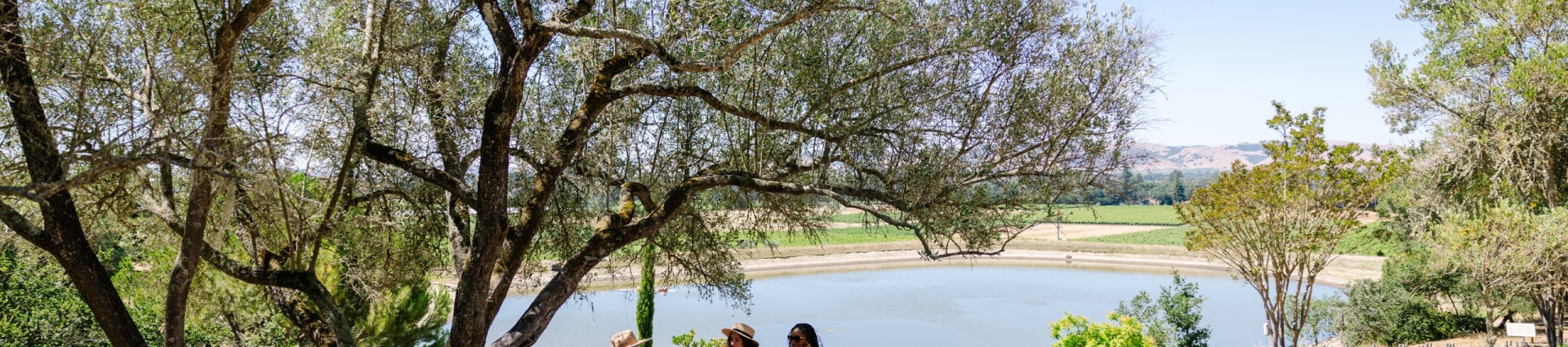
Sonoma vs Napa: A Locals' Guide
Here’s what nobody tells you: you can wake up in Sonoma, spend the afternoon in Napa, and be back in time for sunset. Try it the other way, basing yourself in Napa and day-tripping into Sonoma, and you’ll be fighting traffic the whole drive home. That one-way ease, more than any argument about which valley pours better Cabernet, is the real answer to the Sonoma-or-Napa question.
You don’t have to choose one or the other. Base yourself at The Lodge at Sonoma and let the trip take shape from here.
The Drive That Decides Everything
From San Francisco, Sonoma is a straightforward 45-minute run up Highway 101, the kind of drive that barely counts as a commute by Bay Area standards. Napa asks for more: closer to an hour on a good weekday, and commonly 90 minutes to two hours once Friday or Saturday traffic backs up through the Carquinez corridor. While the drive might seem like a side-note rather than a deciding factor, this really is the key to getting the most out of your wine explorations (without resenting the car).
That’s the case for Sonoma as your basecamp: it’s close enough that a Napa afternoon is a genuine day trip, not an expedition; with plenty to enjoy in the immediate vicinity too. Guests who explore Napa Valley from The Lodge typically drive over after a slow morning, taste through early afternoon, and are back for dinner.
Tasting Culture: Walk In or Book Ahead
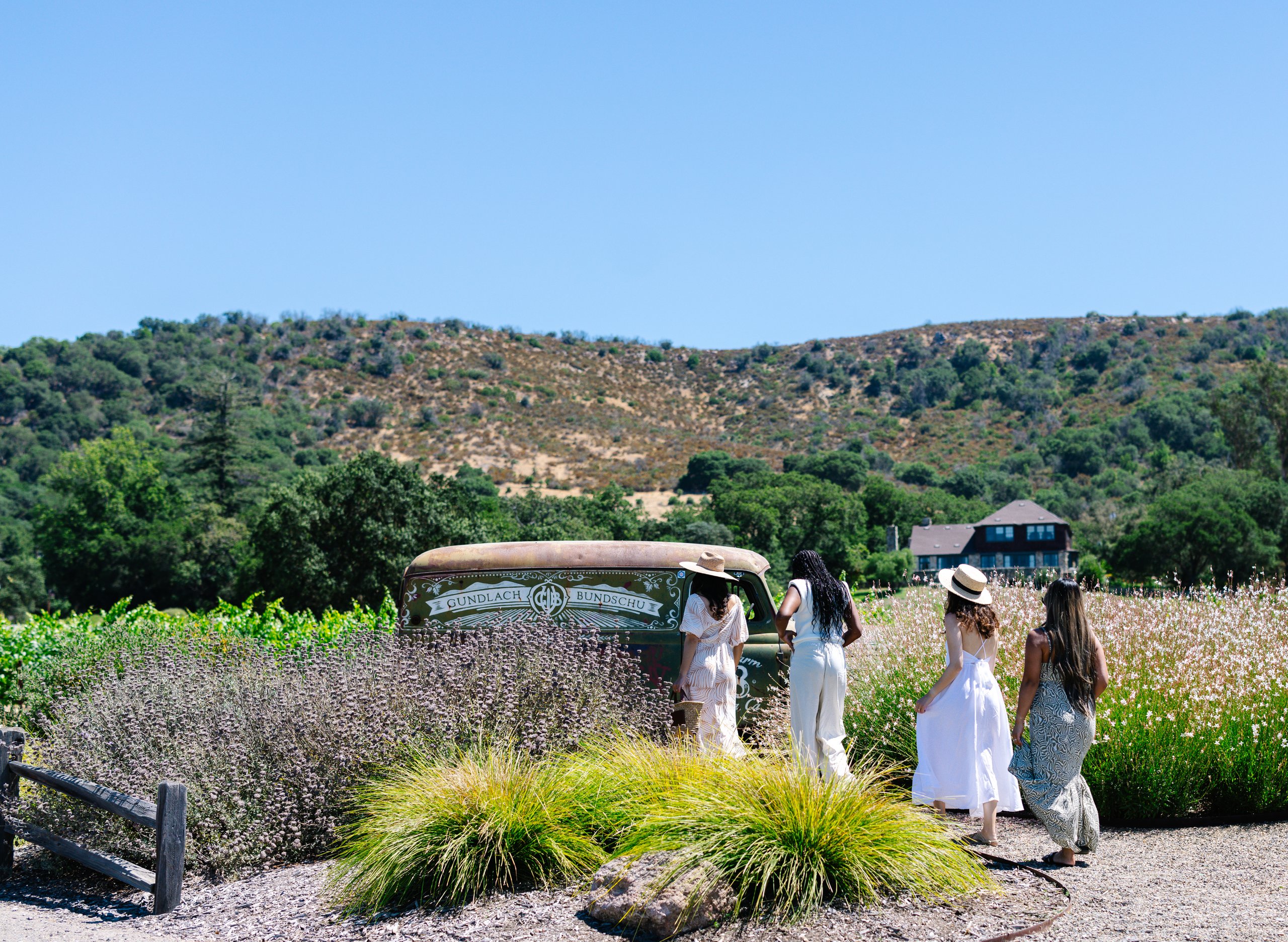
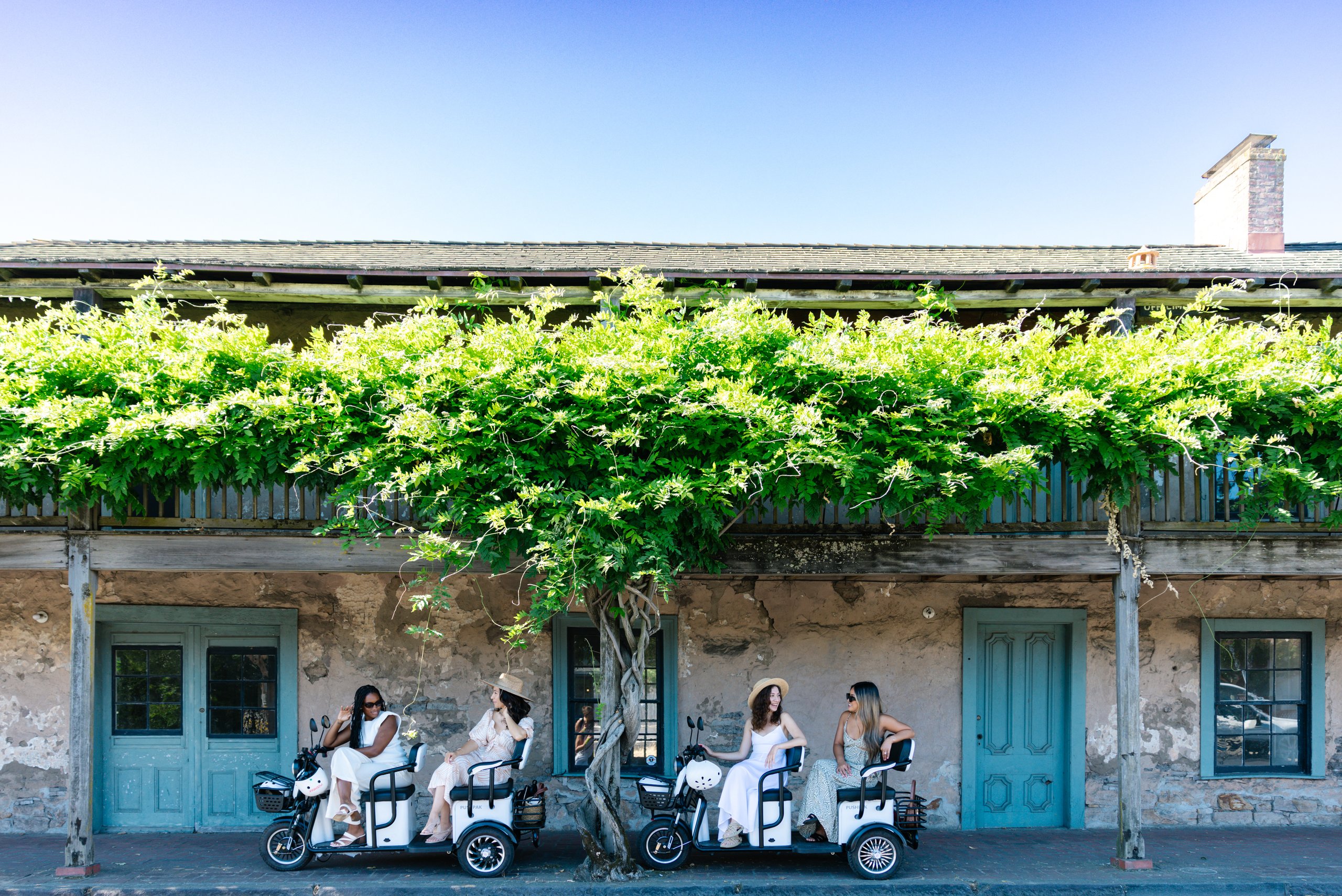
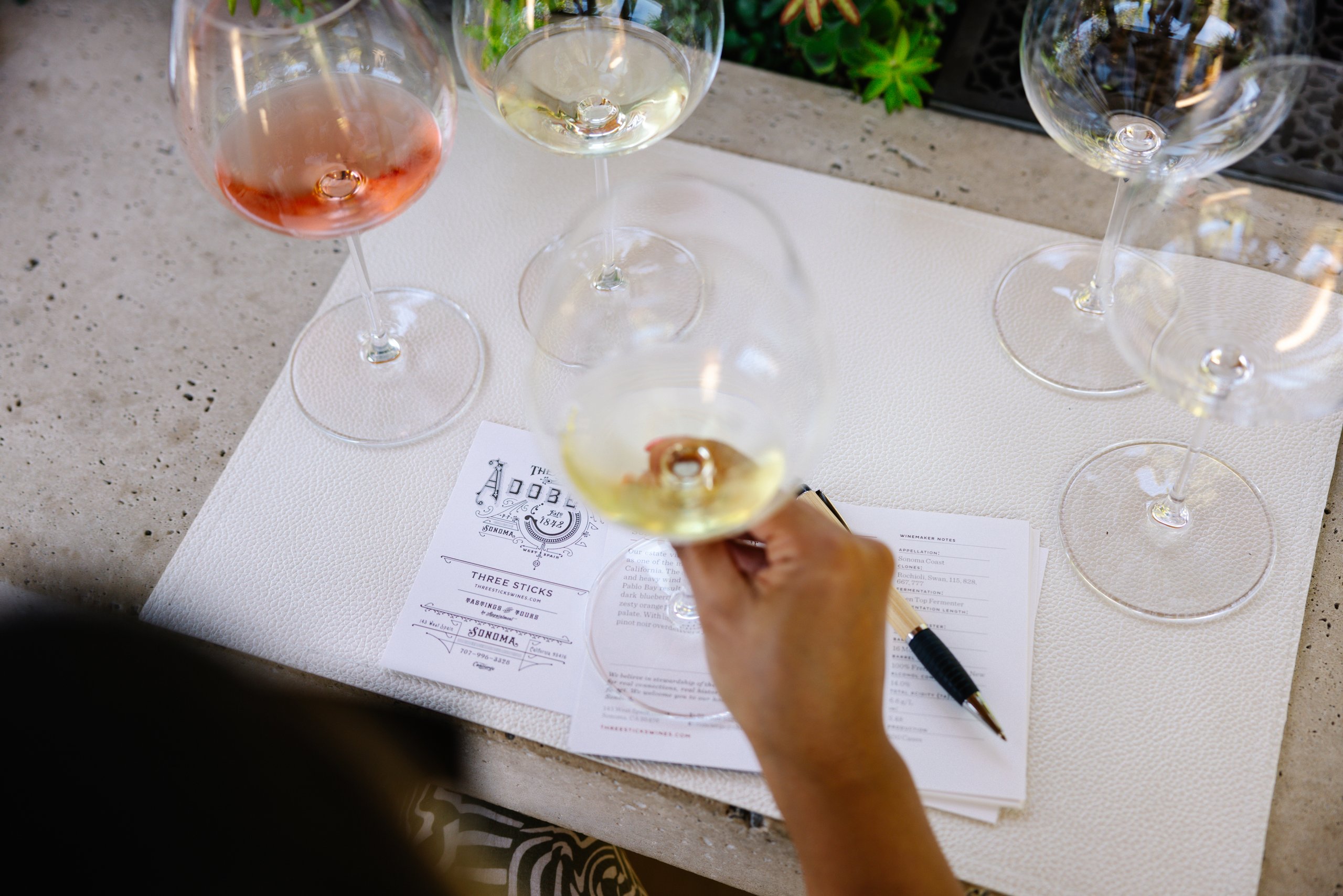
The two valleys pour from the same soil but are set up differently for visitors. Sonoma wineries still welcome walk-ins at plenty of tasting rooms, with fees commonly running $15 to $25, often waived entirely with a bottle purchase. Napa has moved toward a reservation-first model, where standard tastings run $50 to $125 and the marquee estates charge considerably more, appointment required. If you’re headed to Napa, book your tastings before you leave The Lodge. In Sonoma, save room in the day to walk into whichever tasting room catches your eye.
That walk-in ease traces back to the towns themselves. Sonoma Plaza is a working town square, ringed by a city hall, with locals and visitors sharing the same benches and bakeries between pours. Napa’s charm runs more polished and more spread out along Highway 29, its towns built distinctly around the wine business. Both are legitimate versions of wine country, just organized on different scales.
Two Ways to Spend a Weekend
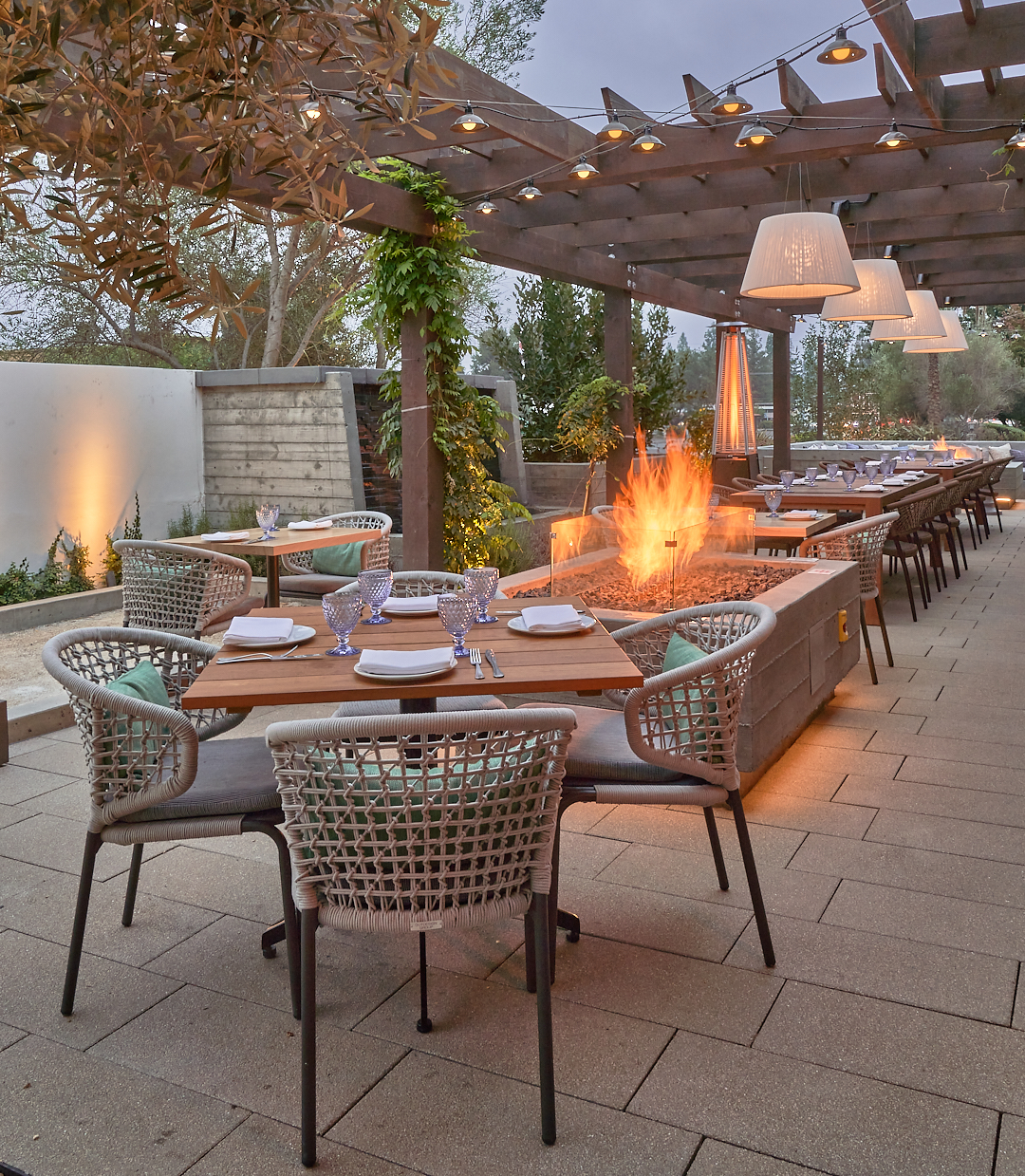
Here’s how the same three days unfold in each place, starting with Sonoma. Arrive Friday, leave the car at The Lodge, and explore your new neighborhood easily on foot; a treatment at The Spa at the Lodge and dinner at the hotel’s Wit & Wisdom. Saturday belongs to Sonoma Plaza and the tasting rooms within walking distance of it, the whole day covered under your own steam. Sunday is brunch, a slow pack-up, and the drive home.
Meanwhile, on a typical Napa weekend, Friday’s check-in is followed by a drive to a winery before dinner. Saturday is a curated loop between two or three appointments, each a short drive from the last, built around a lineup of tastings chosen ahead of time. Sunday often adds one more stop on the way out of the valley before the drive home. It’s a weekend planned around the wineries you’ve chosen to see, with the car built into every day.
Which Wine Country Is Right for You?
Budget-conscious couples will find Sonoma’s tasting fees run a fraction of Napa’s, and a cottage at The Lodge costs less than the valley’s top-tier resorts. Napa’s marquee estates and cellar tastings come at a premium, but that price often buys access to labels and settings you won’t find replicated elsewhere.
Food-first travellers have real destinations in both valleys. Sonoma’s dining runs from Chef Michael Mina’s Wit & Wisdom to a walkable Plaza full of independent kitchens. Napa counters with one of the country’s densest concentrations of acclaimed tasting menus, worth the reservation and the drive if that’s the trip you’re after.
First-time wine country visitors often do better learning the ropes somewhere casual, and Sonoma’s walk-in culture forgives you for not knowing which winery to book six weeks out. Visitors who already know what they want to taste may prefer Napa’s reservation model, which rewards a bit of homework with a more curated day.
Weekend travellers from San Francisco weighing drive time against depth of experience will find Sonoma’s 45 minutes each way leaves more of the weekend for actually being there, while Napa’s longer drive is the tradeoff for a valley built entirely around the wine business.
Whichever pull is stronger, Sonoma’s proximity means you don’t have to choose just one. Base yourself at The Lodge and treat Napa as the day trip it’s built for.
The Lodge as Your Sonoma Basecamp
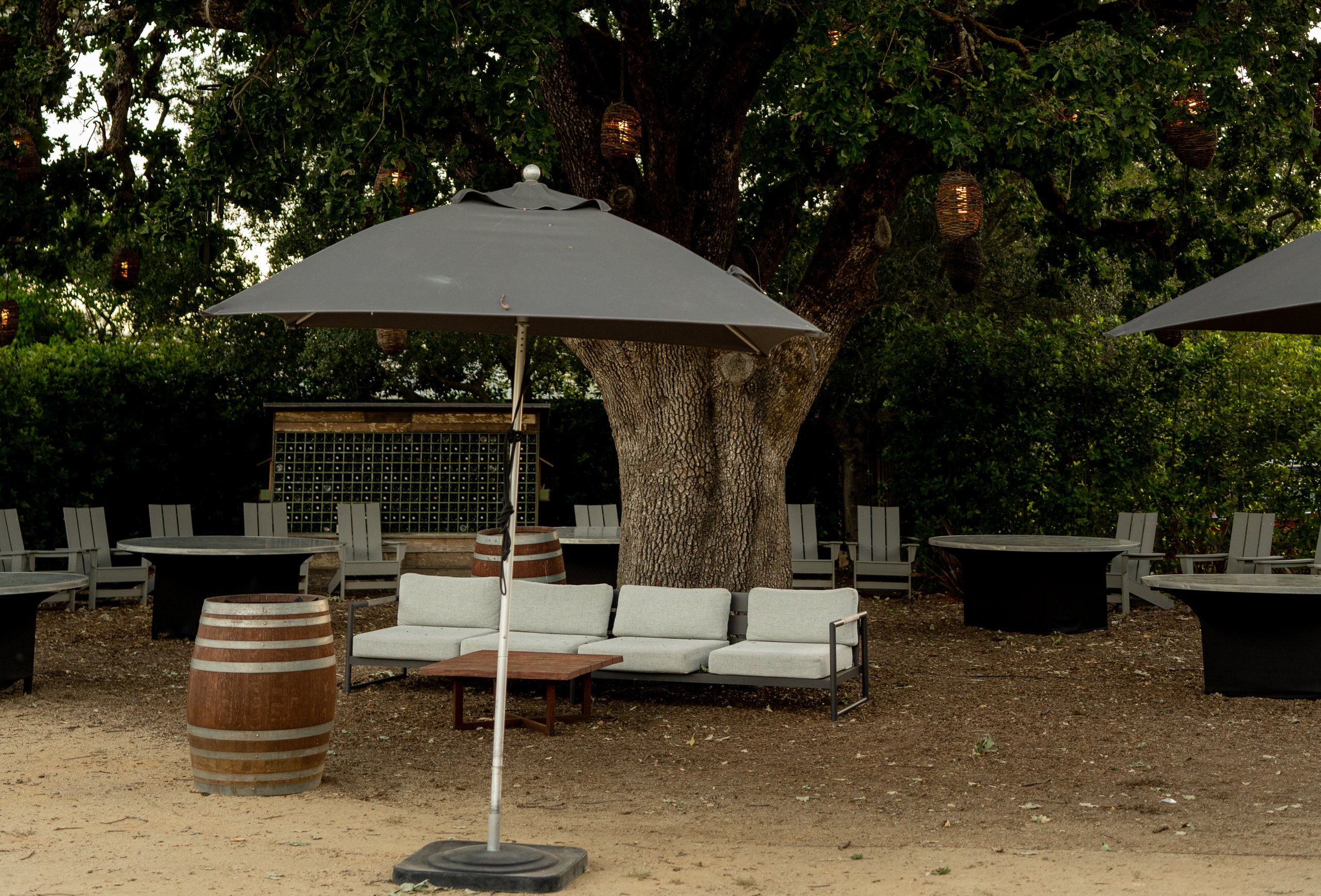
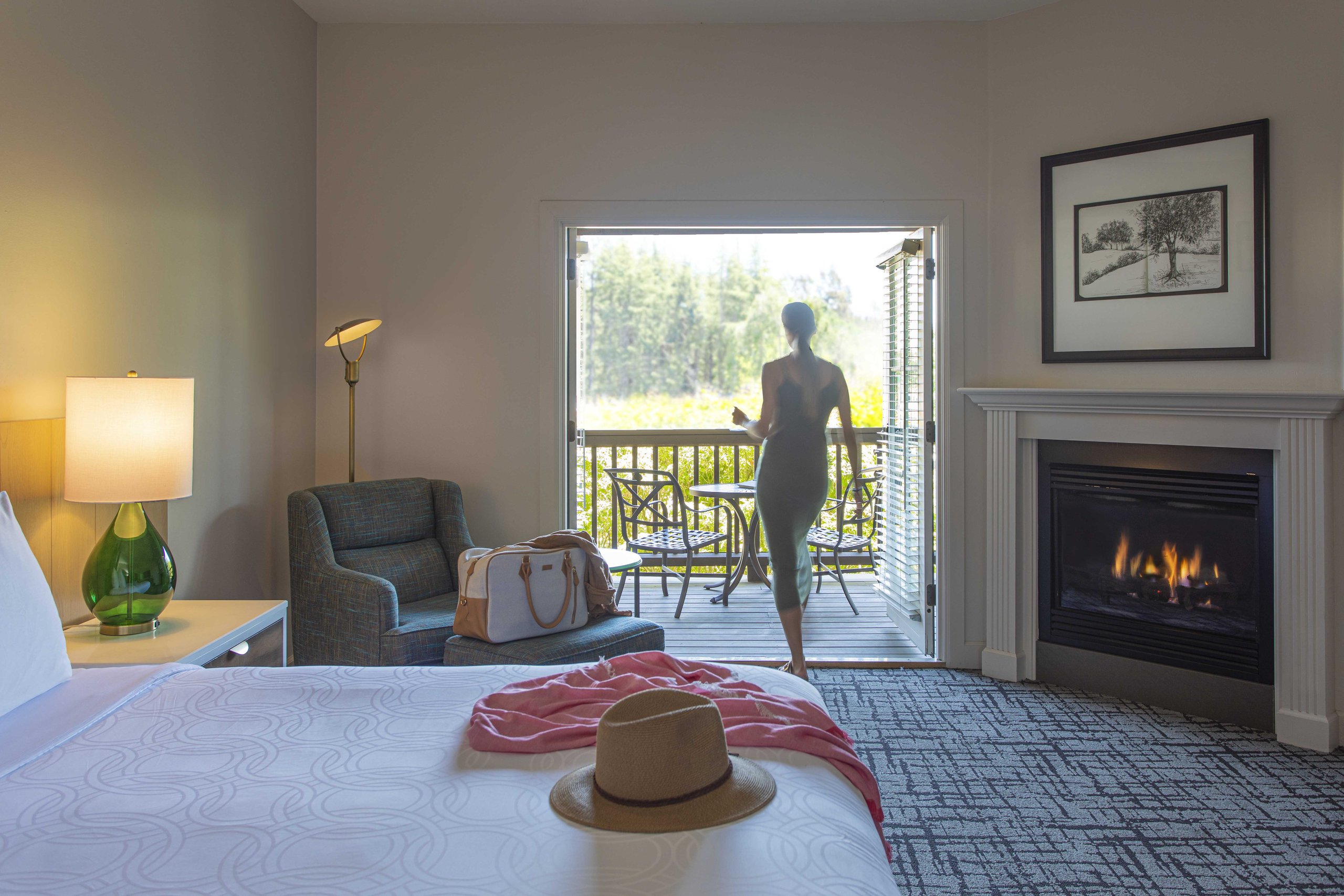
The Lodge King, Lodge Double, and Lodge Premier rooms sit within the main building, close to the lobby’s live-edge oak table and The Mark, the 400-year-old illuminated oak just outside where guests leave handwritten wishes on the dream wall. Private cottages offer a quieter option, each with its own patio, tucked among indigenous flora just steps away. Resort bicycles are on hand for every guest, ready whenever the mood strikes for pedaling out to nearby tasting rooms. And as a Marriott Autograph Collection property, the stay earns Marriott Bonvoy points, redeemable on a future trip. When Napa calls, Salt of the Earth excursions can arrange the day, curated and unhurried, so the only thing you’re managing is which winery to visit first.
The Choice, Made Simpler
Napa and Sonoma aren’t rivals so much as neighbors with different rhythms, and the closer one lets you have a piece of both. Base yourself in Sonoma, walk to the Plaza, and treat Napa as the afternoon it was always meant to be: close enough to visit, far enough to come home from.
Coming from the Bay Area? Start with our two-night Sonoma guide from San Francisco, then explore rooms at The Lodge.